Moving Out Soon? Cleanout Tips Before the Final Walkthrough
Moving out always sounds simple until the leftovers start slowing everything down. The boxes are packed, the movers are scheduled, and the keys are almost ready to hand over—but the garage still has old shelves, the closets still have forgotten bins, and the furniture nobody wants is still sitting in the way.
That is where a move-out cleanout matters.
Movers usually handle what is going with you. A landlord, buyer, or property manager expects the space to be cleared. The gap between those two things is where unwanted furniture, boxes, trash, storage clutter, and bulky items create delays. A cleanout service removes what is not making the move so the property is easier to clean, inspect, repair, sell, or turn over.
Separate Moving From Removal
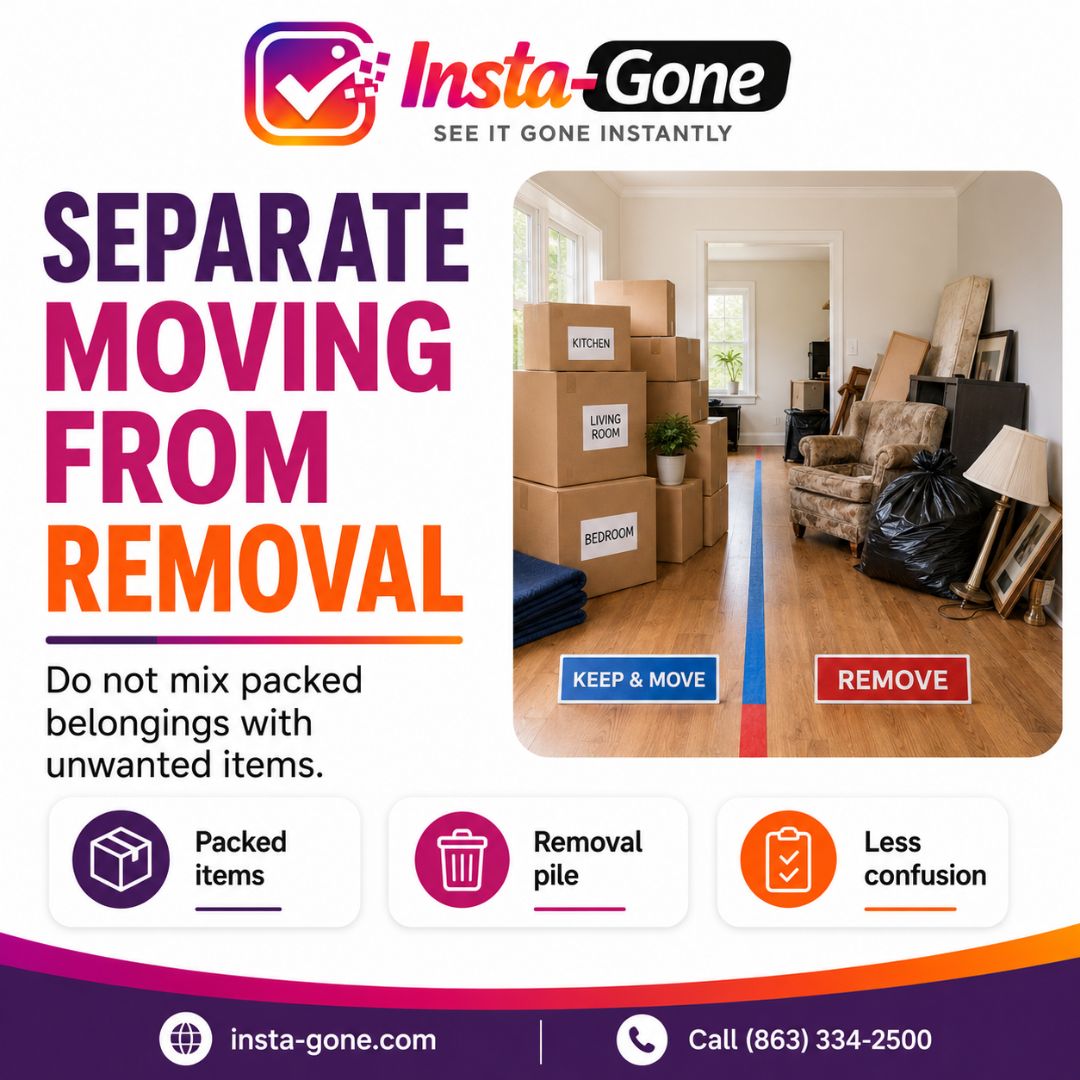
Start by deciding what goes with you and what needs to be removed. Move-outs get messy when packed belongings, trash bags, furniture, storage bins, and donation piles all end up in the same area.
Group the items that are moving with you in one clear section. Place unwanted items somewhere easy to identify, or mark them clearly. This can include furniture, broken items, mattresses, empty boxes, loose trash, and anything you already know is not going to the next place.
If you are managing a rental turnover, be clear about what must stay. Appliances, fixtures, maintenance supplies, owner property, and anything still needed on-site should not be mixed with removal items. Clear instructions help the cleanout crew work without confusion.
Photos help too. Take wide photos of each room, the garage, and any bulky items. A photo shows size, condition, and access better than a close-up.

Check Hidden Areas Before You Think You Are Done
Most people pack the main rooms first because those spaces are used every day. The hidden areas are where move-outs usually fall behind.
Check closets, cabinets, drawers, storage rooms, garages, sheds, attics, laundry areas, patios, side yards, and utility spaces. Old tools, outdoor furniture, spare parts, boxes of cords, storage totes, and loose household items can all be missed.
Before anything is removed, look for personal items. Documents, photos, jewelry, keepsakes, keys, medication, small electronics, and anything with private information should be removed first. A cleanout crew can remove unwanted items, but personal decisions should be made before the removal starts.
For tenant move-outs, leftover items in a garage or shed may delay cleaning, repairs, inspections, listing photos, or the next move-in step.

Plan for Bulky Items Early
Old furniture is one of the biggest move-out problems. Couches, mattresses, dressers, tables, entertainment centers, office desks, shelving, and cabinets take up space and can block the final move. They also need a safe removal path.
Before the cleanout, look at how each bulky item will leave the property. Are there stairs? Tight doors? Narrow hallways? Elevators? Gates? Long walks from the unit to the truck? The removal path can matter as much as the item itself.
Do not wait until moving day to decide what to do with large items. If movers are working around a couch that is not going anywhere, the job gets harder. If a landlord or buyer sees furniture that should have been removed, the handoff can become stressful.
A professional cleanout company like Insta-Gone can help clear bulky items so the space is not working against the move. The goal is to leave the property ready for the next step.

Leave Time for Cleaning
A cleanout should happen before the final deep clean whenever possible. Cleaning around unwanted furniture, bags, boxes, or storage clutter wastes time. Floors cannot be finished properly if items are still in the way. Cabinets, closets, corners, baseboards, and garages are harder to clean when packed with leftovers.
This matters for homeowners, renters, landlords, and businesses moving out of an office or retail space. A clear space is easier to inspect, photograph, clean, repair, and present.
Think of the cleanout as the step that opens the door for everything else. Once unwanted items are gone, cleaners, repair crews, painters, movers, and inspectors can work with less interruption.
Do not place the cleanout at the very end of the plan. Leave room between removal and the walkthrough.

Finish Before the Walkthrough
The final walkthrough should not be the moment when everyone discovers what was left behind. By then, the buyer, landlord, property manager, or next vendor is usually expecting a space that is ready to move forward.
Before the walkthrough, check every area one more time. Open closets. Look inside cabinets. Check the garage, attic, shed, patio, and storage areas. Make sure unwanted furniture is gone, loose debris is cleared, and the remaining items are supposed to stay.
For property managers and landlords, this final check confirms the unit is ready for cleaning, repairs, photos, inspections, or the next tenant. For homeowners, it helps avoid stress near the handoff. For businesses, it keeps the move-out from interfering with lease deadlines, contractor access, or the next use of the space.
A clean finish gives everyone a better next step. The movers can focus on belongings. The cleaners can clean without clutter. The landlord or buyer can see the property clearly.
Make the Move-Out Easier
Moving out already comes with enough decisions. Unwanted items should not be the reason the process slows down.
The best move-out cleanout is simple: separate what is moving from what is being removed, check hidden areas, plan for bulky items, clear the space before cleaning, and finish before the walkthrough. That approach helps keep the property organized and ready for whatever comes next.
Insta-Gone helps with cleanouts for homes, garages, rooms, storage areas, offices, retail spaces, tenant move-outs, and property turnovers. The focus is on clear communication, organized removal, and a clean finish so the space can keep moving forward.
Need the space cleared fast? Call Insta-Gone at (863) 334-2500 and let’s get it handled.